Feeling Tired All the Time? It Could Be Iron Deficiency – And Here's What You Need to Know
Feeling Tired All the Time? It Could Be Iron Deficiency – And Here's What You Need to Know
(Especially for Us in India!)
That persistent fatigue, the shortness of breath after just a few steps, the pale complexion staring back at you in the mirror… Sound familiar? While life in our vibrant country of India keeps us on our toes, constantly soaking in diverse cultures and enjoying delicious regional cuisine, these symptoms might be telling you something more: you could be experiencing iron deficiency.
Iron is a crucial mineral that plays a vital role in carrying oxygen throughout our bodies. It's a key component of hemoglobin, the protein in red blood cells responsible for this essential task. When your body doesn't have enough iron, it can't produce enough healthy, oxygen-carrying red blood cells. This leads to iron deficiency anemia, a common condition that can significantly impact your energy levels and overall well-being.
Why is Iron So Important?
Beyond just energy, iron is vital for:
-
Brain function: It contributes to focus, concentration, and cognitive development.
-
Immune system: It helps your body fight off infections.
-
Cell growth and development: It's essential for overall bodily functions.
-
Maintaining healthy skin, hair, and nails.
Recognizing the Signs: What to Look Out For
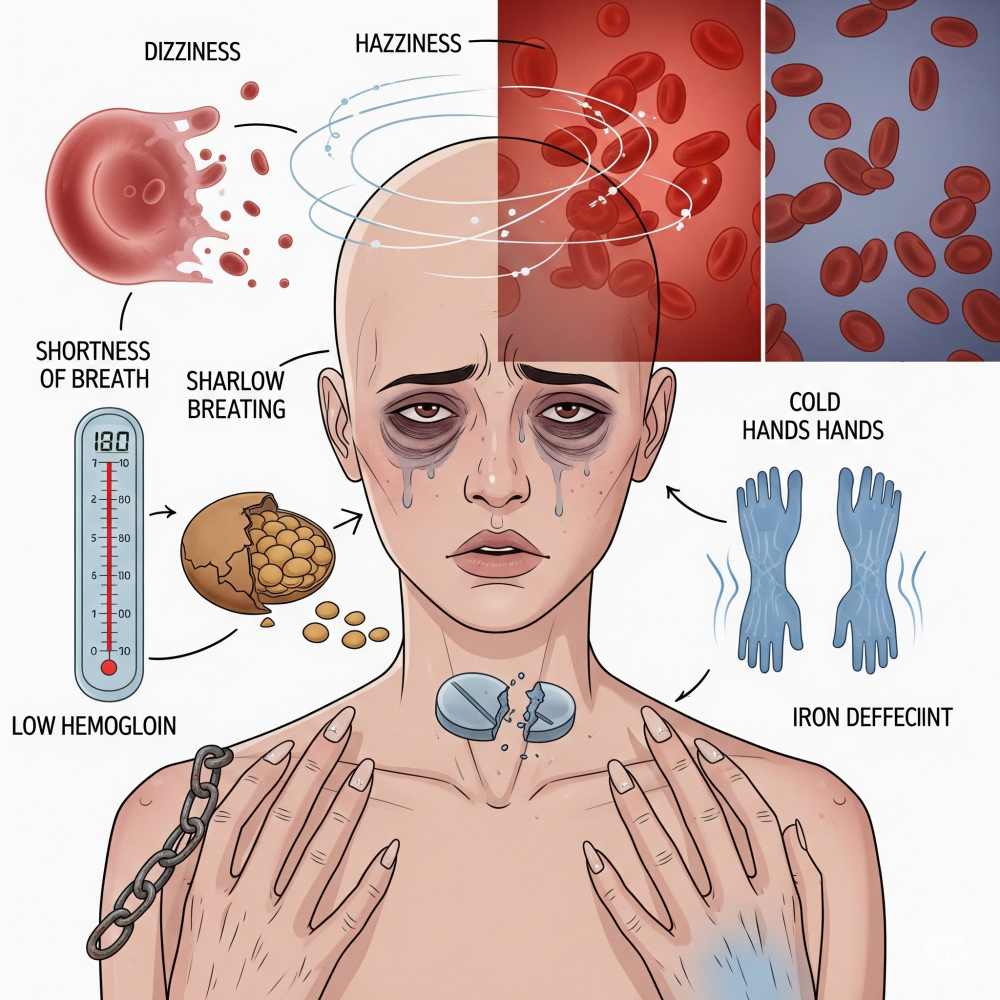
The symptoms of iron deficiency can vary in severity depending on the level of deficiency. Some common signs include:
-
Extreme fatigue and weakness: Feeling constantly tired, even after adequate rest.
-
Pale skin: Noticeable paleness in the face, gums, inner eyelids, and nail beds.
-
Shortness of breath: Feeling breathless even with mild exertion.
-
Dizziness and lightheadedness.
-
Headaches.
-
Cold hands and feet.
-
Brittle nails.
-
Hair loss.
-
Pica: An unusual craving for non-food items like ice, clay, or dirt.
-
Restless legs syndrome.
Who is at Risk of Iron Deficiency?
While anyone can develop iron deficiency, certain groups are at a higher risk:
-
Women with heavy menstrual bleeding: Blood loss during menstruation is a significant cause of iron deficiency.
-
Pregnant women: Their iron needs increase to support the growing fetus and placenta.
-
Breastfeeding women: While iron needs decrease after delivery, they are still higher than pre-pregnancy levels.
-
Infants and young children: They experience rapid growth and require sufficient iron for development.
-
Vegetarians and vegans: Plant-based sources of iron are less readily absorbed by the body than iron from animal sources.
-
Individuals with certain medical conditions: Chronic diseases affecting the gut, such as Crohn's disease or celiac disease, can impair iron absorption.
-
People who frequently donate blood.
Getting Enough Iron: Dietary Sources and Tips
Fortunately, iron deficiency can often be managed through dietary changes and, in some cases, supplementation. Here's what you can do:
1. Embrace Iron-Rich Foods:
-
Heme Iron (found in animal products - more easily absorbed):
-
Red meat (beef, lamb, liver)
-
Poultry (chicken, turkey)
-
Fish (sardines, tuna, salmon)
-
Shellfish (clams, oysters)
-
-
Non-Heme Iron (found in plant-based foods - absorption can be enhanced):
-
Dark leafy green vegetables (spinach, kale, fenugreek/menthi - readily available in our local markets!)
-
Legumes (lentils, chickpeas, beans)
-
Tofu and tempeh
-
Nuts and seeds (pumpkin seeds, sesame seeds)
-
Fortified cereals and breads
-
2. Boost Absorption:
-
Pair non-heme iron sources with Vitamin C-rich foods: Enjoy a squeeze of lemon on your spinach sabzi or have some oranges or guava (readily found across India!) with your lentil curry. Vitamin C significantly enhances the absorption of non-heme iron.
-
Avoid consuming calcium-rich foods or drinks with iron-rich meals: Calcium can hinder iron absorption.
-
Limit tea and coffee intake during meals: Tannins in tea and coffee can also interfere with iron absorption.
3. Consider Supplementation (If Necessary):
If dietary changes alone aren't enough to address your iron deficiency, your doctor may recommend iron supplements. It's crucial to take these supplements as directed by your healthcare provider, as excessive iron intake can be harmful.
What to Do Next?
If you suspect you might have iron deficiency, it's essential to consult your doctor. They can perform a simple blood test to check your iron levels and recommend the appropriate course of action. Don't let fatigue and other symptoms hold you back from enjoying all that India has to offer! Taking proactive steps towards your health can make a significant difference in your energy levels and overall well-being.
Stay healthy, India!
Fast and dependable delivery
Competitive pricing
Wide range of pharma and equipment
Personalized customer support


We want to give you 10% discount for your first order,
Use discount code at checkout


We want to give you 10% discount for your first order,
Use discount code at checkout