
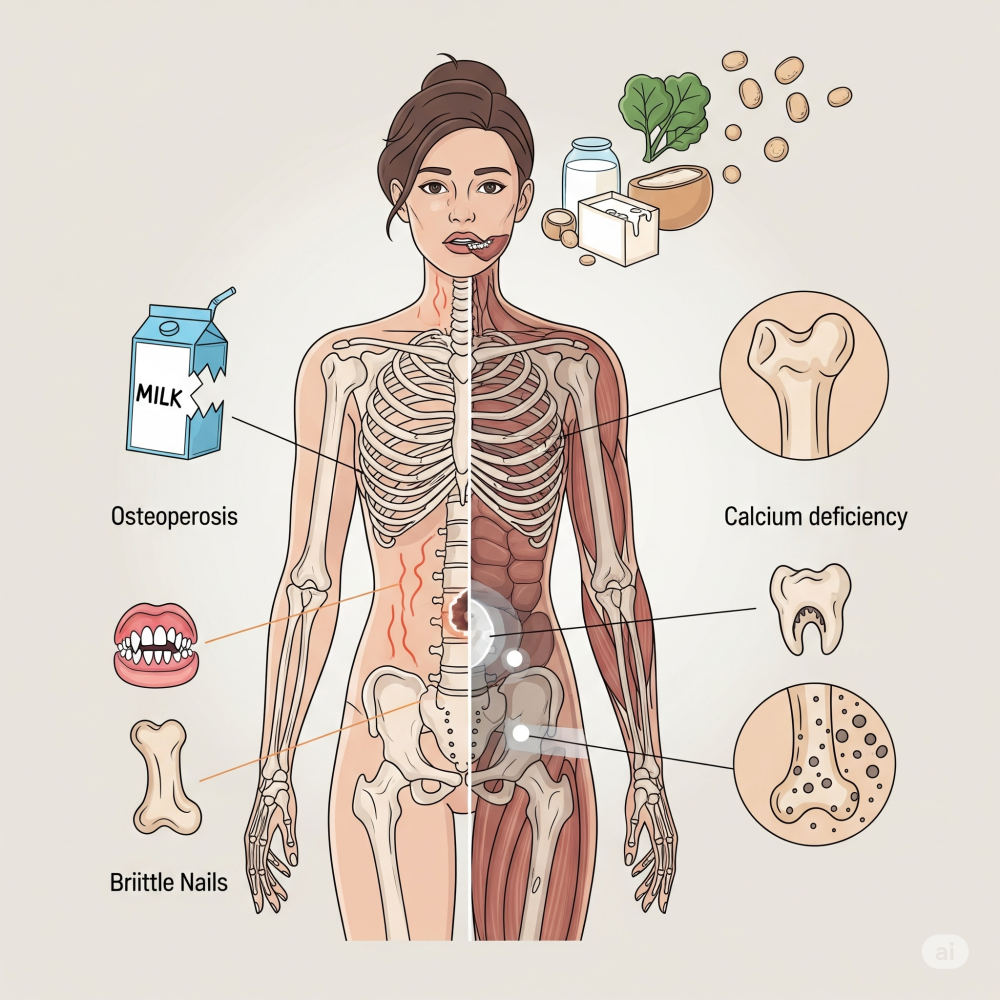
🦴 Battling Calcium Deficiency: Why Calcium Citrate May Be the Right Choice
What Is Calcium Deficiency?
Calcium is one of the most essential minerals in the human body — vital for strong bones, healthy teeth, nerve function, blood clotting, and muscle contraction. A calcium deficiency, known medically as hypocalcemia, occurs when blood calcium levels drop below normal. Over time, this can lead to serious health concerns, especially in:
-
Postmenopausal women
-
Elderly individuals
-
People with Vitamin D deficiency
-
Vegans or lactose-intolerant individuals
-
Patients on long-term corticosteroids or certain diuretics
Common Signs of Calcium Deficiency
You may not notice symptoms right away, but chronic deficiency often presents as:
-
Frequent muscle cramps and spasms
-
Numbness or tingling in fingers
-
Brittle nails
-
Fatigue and irritability
-
Delayed child growth and development
-
Osteopenia or Osteoporosis (weak bones)
Severe deficiency may even lead to seizures, cardiac irregularities, or bone fractures.
Why Supplementing Calcium Matters
The Recommended Dietary Allowance (RDA) of calcium is:
-
1,000 mg/day for most adults
-
1,200 mg/day for postmenopausal women and elderly men
-
1,300 mg/day for adolescents and pregnant women
While dietary sources like milk, yogurt, cheese, almonds, leafy greens, and fortified cereals help, many people fail to meet daily needs — especially if they follow restricted diets or have absorption issues.
This is where calcium supplements come in — to bridge the gap and protect long-term bone and heart health.
🧪 Calcium Citrate: The Smarter Supplement
Among all calcium supplements, Calcium Citrate stands out for several reasons:
✅ 1. Superior Absorption
Unlike calcium carbonate, calcium citrate does not require stomach acid for absorption. It is highly bioavailable, meaning your body can absorb it well — even on an empty stomach or with low acid levels (common in elderly and acid-reflux patients).
✅ 2. Gentle on the Stomach
It’s less likely to cause gas, bloating, or constipation compared to calcium carbonate, making it suitable for people with sensitive digestive systems.
✅ 3. Ideal for Multiple Groups
Calcium citrate is particularly useful for:
-
Older adults
-
People on acid-reducing medications (like PPIs)
-
Post-bariatric surgery patients
-
Kidney stone-prone individuals (lower risk with citrate)
🔄 Calcium Citrate + Vitamin D3: A Power Combo
Vitamin D is essential for calcium absorption. That’s why most premium calcium citrate supplements also contain Vitamin D3, ensuring the mineral gets absorbed efficiently into your bones.
Fast and dependable delivery
Competitive pricing
Wide range of pharma and equipment
Personalized customer support


We want to give you 10% discount for your first order,
Use discount code at checkout


We want to give you 10% discount for your first order,
Use discount code at checkout